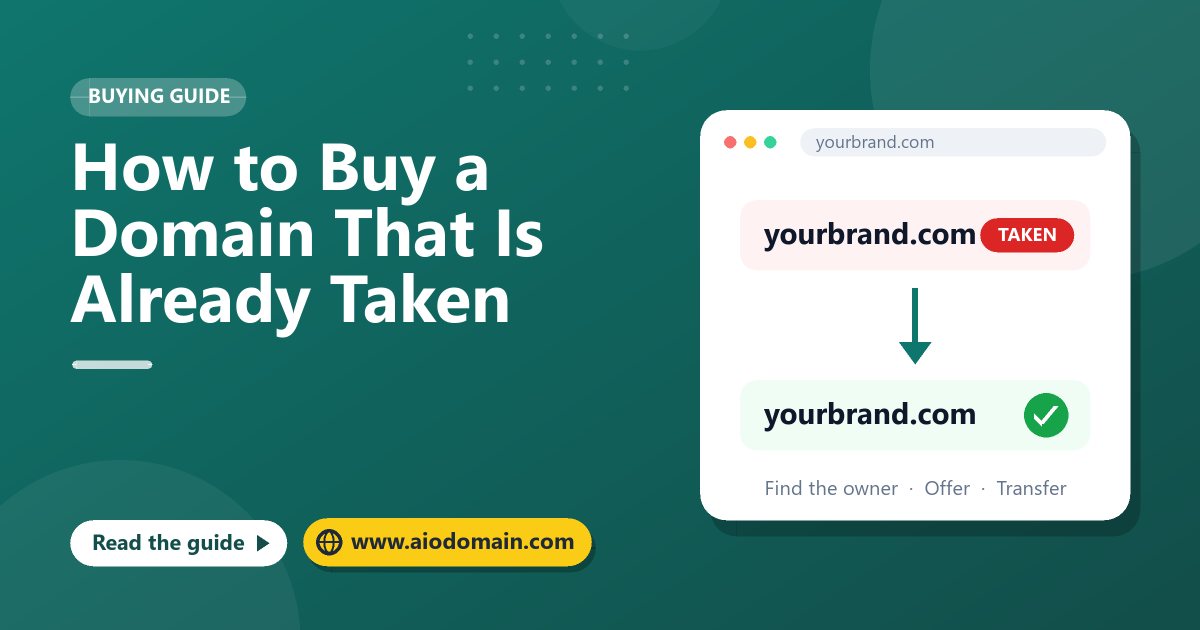
You have the business name, the logo sketch and the pitch deck. Then you type the domain into a registrar and see the words you were dreading: this domain is taken. The good news is that a registered domain is not a lost domain. A large share of names are owned by investors or by businesses that no longer use them, and many owners will sell for the right price.
Key takeaways
- Check marketplaces first: the name may already be listed with a price.
- Look at what the domain is used for before you decide how to approach the owner.
- Know your budget and your walk-away price before the first message.
- Never pay the owner directly. Use a marketplace checkout or a licensed escrow service.
Step 1: Check whether the domain is already for sale
Start with the easy route. Search the name on AIODomain and other marketplaces. If it is listed, you will see a Buy Now price, a minimum offer or an auction. A listed domain also tells you the owner is a willing seller, which saves weeks of guessing. You can search the marketplace by name, keyword or extension.
Also type the domain into your browser. A "for sale" landing page, a parked page full of ads, or a page that does not load at all are all signs the owner may sell.
Step 2: Find out who owns it
Look the domain up in a WHOIS or RDAP search. Since privacy rules changed, most records hide the owner's name, but they still show the registrar, the creation date and the expiry date, and many registrars offer a contact form that forwards your message to the owner.
- Creation date: a domain registered last month is often held by a speculator; one registered twenty years ago may belong to a company with history attached to it.
- Expiry date: if it expires soon and is not set to renew, watch it, but do not count on it dropping. Valuable names are almost always renewed.
- Name servers: name servers from a parking company suggest an investor; name servers of a hosting company with a live website suggest an active business.
Step 3: Decide what the name is worth to you
Price has two sides: what the market says the name is worth and what it is worth to your business. Comparable sales, length, the extension and search demand all matter. Our free domain valuation tool gives you an automated estimate as a starting point. It is not an appraisal, but it helps you avoid an opening offer that is far too low or far too high.
Then think about the value to you. A name that saves you years of brand confusion, or that lets customers type your company name and land on your site, can be worth far more than the market average.
Step 4: Make the first contact
Keep the first message short, polite and specific. Say who you are only as much as you need to, ask whether the domain is for sale and invite the owner to name a price. Avoid telling the story of how much the name means to your funded startup, because that changes the price before you have started.
Hi, I am interested in buying example.com. Would you consider selling it? If so, what price did you have in mind?
If you would rather stay anonymous, or the owner does not reply, a domain broker can approach the owner for you, negotiate and handle the paperwork for a fee.
Step 5: Negotiate with a ceiling in mind
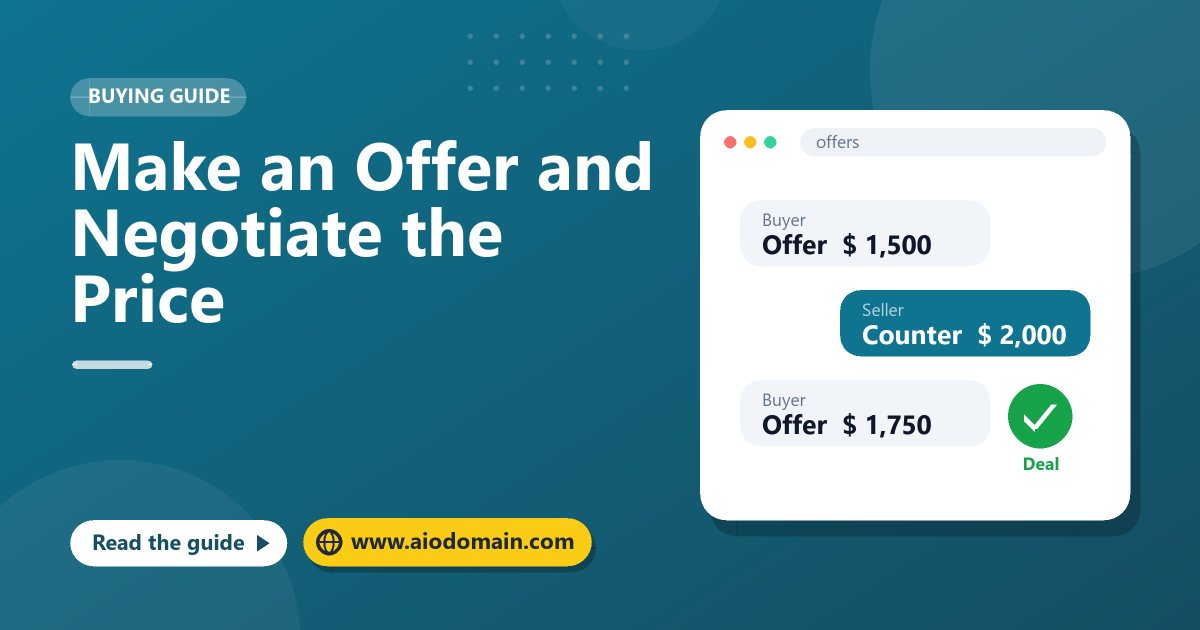
Write down three numbers before you negotiate: your opening offer, your target and your walk-away price. Counter-offers are normal; a first asking price is rarely final. Our guide on making an offer on a domain covers the tactics in detail.
Step 6: Pay safely and complete the transfer
This is where most scams happen. Never send money by wire, gift card or crypto straight to a stranger who promises to transfer the domain afterwards. Use a marketplace checkout that holds the payment until you confirm the domain is in your account, or a licensed escrow service. Read how domain escrow works before you pay.
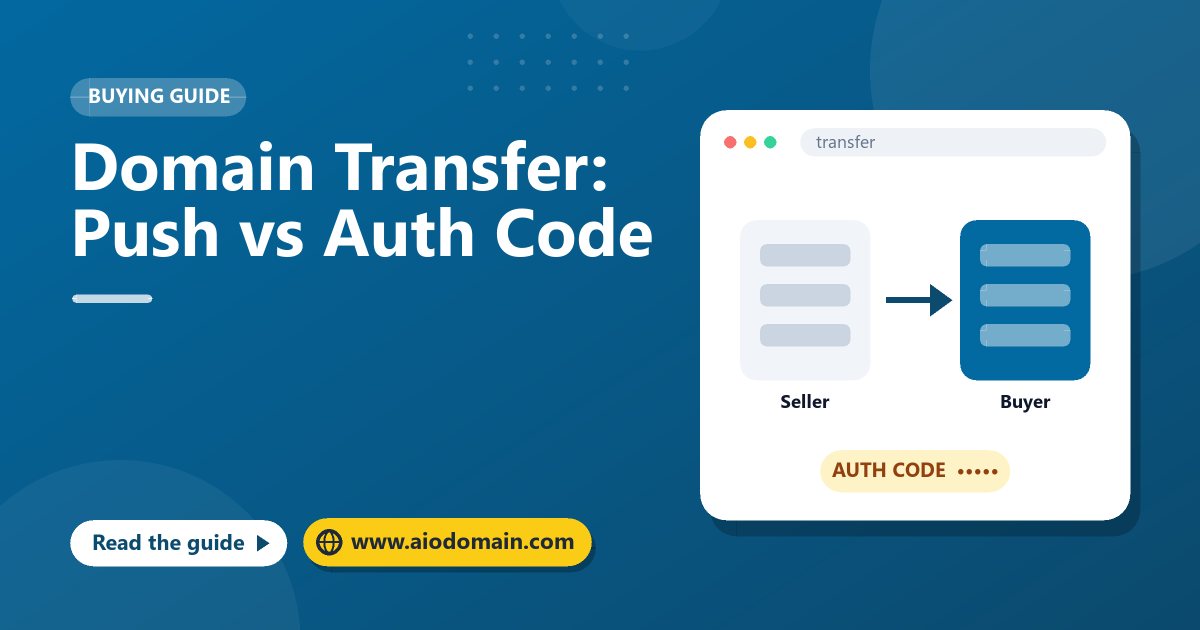
After payment, the seller either pushes the domain to your account at the same registrar or gives you an authorisation code for a transfer between registrars. Our domain transfer guide explains both.
What if the owner will not sell?
Some names are simply not for sale, at least not today. You can set a watch on the name, try again in six months, or choose a strong alternative: a different extension, a prefix such as "get" or "try", or a shorter brandable name. Our guide to choosing a brandable domain has ideas.
Frequently asked questions
Is it legal to buy a domain someone else owns?
Yes. Domains are bought and sold every day. What matters is that you buy from the real registrant and that the name does not infringe a trademark.
How long does buying a taken domain take?
A listed domain with Buy Now can be in your account within a day or two. A negotiation with a private owner can take anything from a few days to several months.
Can I just wait for the domain to expire?
You can, but good names rarely expire, and after expiry there is a grace and redemption period during which the owner can still renew. Treat waiting as a back-up plan, not a strategy.